Where Winds Meet Paths guide — every build, its weapons and who it suits
All ten current Paths with their two Martial Arts, what each one does in a fight, and a simple way to pick your first build without wasting resources.
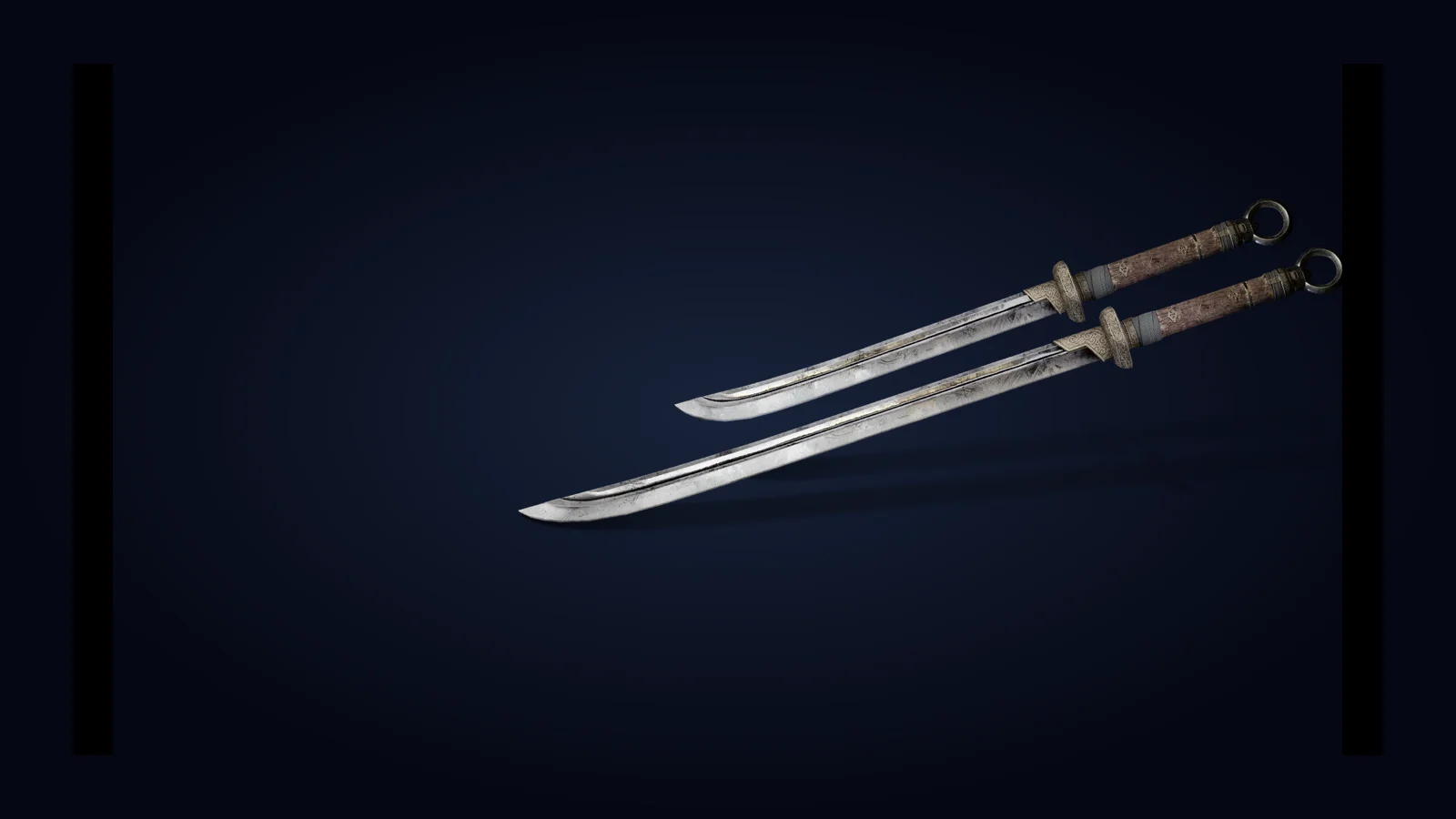
Quick answer: a Path is a build made of two Martial Arts that share one combat mechanic. For a first character, pick Bellstrike – Splendor (Nameless Sword + Nameless Spear) if you want simple melee damage, Silkbind – Deluge (Panacea Fan + Soulshade Umbrella) if you want to heal groups, or Stonesplit – Might (Thundercry Blade + Stormbreaker Spear) if you want to hold enemies in place. Learn one Path properly before you spread upgrade materials across several.
How Paths work
Where Winds Meet has no fixed classes. Your build has three layers:
- Weapon family: the weapon type, such as Sword, Spear, Fan, Umbrella, Mo Blade, Heng Blade, Dual Blades, Rope Dart or Gauntlets.
- Martial Art: a named style for that weapon, such as Nameless Sword or Strategic Sword. The Martial Art decides the actual skills.
- Path: the official pairing of two Martial Arts. The two arts build and spend a shared resource or status, so swapping weapons is part of the rotation.
Path names follow a pattern. The first word is the attribute family (Bellstrike, Stonesplit, Silkbind or Bamboocut) and the second word is the specific build. The attribute family also matters for gear: penetration and damage attributes are tied to it, which is why equipment chosen for one family is often poor for another.
You can equip Martial Arts that do not form a Path, and some off-Path pairs are popular. Designed Paths are still the right starting point because their Inner Ways and gear bonuses are built around the pair.
All current Paths
| Path | Martial Arts | Role | Best for |
|---|---|---|---|
| Bellstrike – Splendor | Nameless Sword + Nameless Spear | Damage | New players who want a straightforward melee build |
| Bellstrike – Umbra | Strategic Sword + Heavenquaker Spear | Damage | Single-target bleed damage and experienced melee players |
| Stonesplit – Might | Thundercry Blade + Stormbreaker Spear | Tank / damage | Holding bosses, protecting groups, counter-based play |
| Stonesplit – Strength | Snowparting Blade + Phalanxbane Blade | Damage | Deflect-and-counter players who like heavy burst |
| Silkbind – Jade | Vernal Umbrella + Inkwell Fan | Ranged damage | Fighting at range, clearing groups, PvP pressure |
| Silkbind – Deluge | Panacea Fan + Soulshade Umbrella | Healer | Group content where a dedicated healer is needed |
| Bamboocut – Wind | Infernal Twinblades + Mortal Rope Dart | Damage | Fast, high-input play and clearing groups |
| Bamboocut – Dust | Everspring Umbrella + Unfettered Rope Dart | Damage | Mobile area damage |
| Bamboocut – Kite | Heavenwill Gauntlets + Skygrasp Rope Dart | Damage | Close-range burst with repositioning (Version 2.0) |
| Bamboocut – Draught | Skystrike Gauntlets + Riven Twinblades | Damage | Aggressive close-range combos (Version 2.1) |
Martial Art names come from the official balance announcements and Path developer letters. Roles describe what each Path is designed for, not a ranking; balance changes each season.
The Paths in more detail
Bellstrike – Splendor
The easiest damage Path to learn. Both Nameless Martial Arts use Sword Energy, built through normal attacks and spent on charged attacks. Its rotation is short, it forgives imperfect swaps, and it works in both story play and boss fights.
The Version 2.2 patch notes corrected Nameless Sword's description: each stack of Sword Energy increases Damage Boost against non-player units by 10%, and you do not need to be in the Exhausted state for this. The skill already worked this way; only the text changed.
Bellstrike – Umbra
Strategic Sword and Heavenquaker Spear apply bleeding and then cash it in with a burst. It rewards keeping bleed effects on one target and timing your big hit, so it suits bosses more than large groups. It asks more of your rotation than Splendor does.
Stonesplit – Might
The tank Path. Thundercry Blade is a Mo Blade Martial Art and Stormbreaker Spear adds reach and control. It is built to take attention, counter heavy attacks and support a group. Solo, it is slower than a damage Path but very safe while you are still learning boss patterns.
Stonesplit – Strength
Built around the Heng Blade's deflect-and-counter design. Snowparting Blade prepares the target, turns deflects into follow-up attacks and applies debuffs. Phalanxbane Blade spends the shared Blade Momentum on heavy burst. It is strong in single-target fights, but only if your deflect timing is reliable.
Silkbind – Jade
A ranged damage Path. Vernal Umbrella and Inkwell Fan let you fight away from the enemy, which is comfortable in the open world and hard for opponents to pin down in PvP. It is the natural choice if melee timing feels stressful.
Silkbind – Deluge
The dedicated healer Path, pairing Panacea Fan with Soulshade Umbrella. Groups for ten-player content and guild bosses look for it. Solo, it clears content slowly, so many healers keep a second damage build for exploration.
Bamboocut – Wind
Infernal Twinblades and Mortal Rope Dart: very fast, very busy, and excellent against groups of enemies. It rewards high input speed and good positioning. If you enjoy constant action more than deliberate counters, start here.
Bamboocut – Dust
Everspring Umbrella with Unfettered Rope Dart. It is a mobile area-damage build that fights on the move instead of standing in one spot.
Bamboocut – Kite
Introduced in Version 2.0 with Hidden Mountain. Heavenwill Gauntlets create close-range pressure and burst, while Skygrasp Rope Dart handles repositioning when a fight forces you out. The official description is "close-quarters pressure and tactical repositioning". Heavenwill Gauntlets are linked to the Mohist Hill sect.
Bamboocut – Draught
Released on September 7, 2026. Skystrike Gauntlets and Riven Twinblades both use Drunkenness. Drinking mid-fight builds Binge points and moves you through Inebriate states such as Tipsy and Deepdaze, and your attacks change as you get drunker.
The official loop:
- Open with Riven Twinblades to close the distance and build Binge quickly.
- Once you are close, swap to Skystrike Gauntlets and keep brawling to deepen Drunkenness. The Nightwick skill drops you into the Tipsylay stance, from which you can spring up to break a guard or stay low for sweeping kicks.
- At peak Drunkenness, release the Gauntlets' stored burst.
- Swap back to the Twinblades. In Deepdaze, Hero's Blood fires eight waves of crescent blade energy and then a final dash that spends all your Binge.
- As Drunkenness fades, restart with the Twinblades.
It is exciting but demanding, because mistimed swaps waste the state you built.
How to choose your first Path
Answer three questions:
- Melee or range? If being close to enemies feels uncomfortable, choose Silkbind – Jade.
- Do you want a group role? Healers pick Silkbind – Deluge; players who want to hold enemies pick Stonesplit – Might.
- Simple or technical? Bellstrike – Splendor is the simplest damage option. Stonesplit – Strength, Bellstrike – Umbra and Bamboocut – Draught reward practice.
Then try the Martial Arts against ordinary enemies before spending anything. You can obtain several Martial Arts through story progress, exploration, sect shops and events, so testing is cheap. Upgrades are not.
Common mistakes
- Upgrading every new Martial Art. Upgrade materials are the real limit. Commit to one Path, then add a second build once the first is comfortable.
- Ignoring the attribute family on gear. Bellstrike gear on a Bamboocut Path wastes stats.
- Choosing Inner Ways by rarity. An Inner Way only helps if your Path actually triggers it. Start from the Path Guide's recommendations.
- Chasing last season's tier list. The developers adjust Path balance around each season and publish the changes in patch notes. Check the latest notes before rebuilding.
When to switch
Switch when a Path still feels uncomfortable after real practice, when you need a group role your build cannot fill, or when a content type (PvP, ten-player bosses, open-world farming) clearly favors a different design. Do not switch only because another build tops a leaderboard: a Path you can execute well usually beats a stronger one you execute badly.
Aiheeseen liittyvät oppaat

Where Winds Meet beginner guide — the first ten hours made simple
Choose the right server, protect cross-progression, learn one Path and open Qinghe without wasting early resources.
Where Winds Meet combat guide — deflects, Qi, Exhaust and weapon swaps
Read red and gold attacks, break enemy Qi with deflects, land Executes, and use Mystic Skills and weapon swaps without draining your own resources.
Where Winds Meet sects guide — every sect, its rules and which one to join
What each sect expects from you, which Martial Arts it is linked to, how to start joining, and whether staying Sectless is the better choice.